Before buying electrolyte powder, it’s helpful to understand what it is, what benefits it offers and who it’s designed for. Here’s some key information experts want you to know.
Frequently asked questions
Electrolytes are minerals like sodium, potassium and calcium that help fluids enter and exit your cells to keep you hydrated, says Jay Patruno, a registered dietitian and certified personal trainer. (They’re called electrolytes because they have an electrical charge when dissolved in water or bodily fluids.) These minerals also play an important role in muscle and nerve contraction, creating energy and building tissue, says Michael Reavis Jr., a clinical dietitian at the University of Maryland Medical Center.
Your body doesn’t make electrolytes — you consume them through food. All foods have electrolytes but some are richer in specific minerals than others, says Patruno. For example, salt is rich in sodium and chloride, bananas are rich in potassium, yogurt is rich in calcium and nuts are rich in magnesium, says Reavis. You mainly lose electrolytes through sweat, though your kidneys also filter out excess electrolytes in urine, says Lisa Young, a registered nutritionist and an adjunct professor of nutrition at New York University.
Everyone loses electrolytes at different volumes depending on overall health status, level of physical activity and sweat rate, meaning how many ounces of fluid you lose per hour while sweating, says Goldsmith. Your doctor can evaluate these things to help determine how you should go about replacing electrolytes.
Electrolyte powder is a mixture of minerals like sodium, potassium and magnesium that you add to water to make a fortified drink. It’s a type of electrolyte product, like chews, drops and gels. Since you dissolve electrolyte powder in water, they help balance your body’s fluid and electrolyte levels simultaneously, which is key to staying hydrated, says Young.
Electrolyte powders are designed to replace electrolytes you lose, mainly through sweat, and support fast rehydration so you avoid symptoms of depletion, like fatigue, blood pressure irregularities and lightheadedness, says Kelly Jones, a sports dietitian who works with professional and student-athletes. “They help you get a significant amount of electrolytes in a very short amount of time, give you all the different types of minerals you need at once, and you know exactly how much of each one you’re consuming,” says Goldsmith. “There’s not really a food or drink that can naturally do that.”
It’s important to note that while electrolyte products like powders can help you stay hydrated, they’re not a replacement for plain water, says Sedgley. Electrolyte products should be used as needed in specific situations like intense exercise, while water is essential to drink throughout the day to stay hydrated and keep up your fluid levels, he says.
The most important electrolytes to replace are sodium, which you lose at the highest rate while sweating, and potassium, which comes in second, says Jones. Electrolytes like calcium, magnesium, chloride and phosphorus are also important for hydration, but if you exercise for less than two hours at a time, the amount you lose is negligible, says Jones. So focus on getting these nutrients through food, she says.
Electrolyte powders mainly benefit the average person who engages in an hour or more of moderate to intense exercise, says Sedgley. Moderate exercise involves activities like brisk walking or light jogging, where talking is a bit more challenging than usual, and intense exercise involves activities like fast running, cycling or high-intensity interval training, where talking is difficult, he says.
Electrolyte powders also support recovery and hydration for people who do physical activity in the heat, says Sedgley. That includes runners, bikers, those playing in sporting events, construction workers and landscapers, for example. But in hot conditions, even low-intensity exercise like walking may leave you feeling depleted, he says. People who spend all day on their feet, like teachers and medical professionals, can also benefit from electrolyte powders, says Jones.
While shopping for electrolyte powders, experts recommend keeping the following in mind, all of which I took into consideration while rounding up the best options.
Mineral composition: An electrolyte powder’s nutrition label details what minerals it’s made with. Sodium and potassium are the most important minerals to look for because you lose them at the highest rates while sweating, says Jones. Some powders also contain electrolytes like calcium, magnesium, chloride and phosphorus, but they’re not as quickly depleted, so they’re less important from a hydration standpoint, she says.
Mineral concentration: The nutrition label also tells you how much of each mineral the powder is made with, measured in milligrams. Formulas vary by brand. Overall, the right amount of each mineral for you depends on factors like your level of physical activity, sweat rate and health status, so talk to your doctor about what they recommend. As a baseline, experts break down their suggestions below.
Sugar content: Many electrolyte powders contain sugar because it’s a carbohydrate that acts as fuel for your muscles and aids in fluid balance, says Goldsmith. Sugar is beneficial for the average healthy person engaging in strenuous physical activity for 90 minutes or longer, like marathon runners, says Sedgley. If that doesn’t sound like you, you can opt for a sugar-free electrolyte powder, if you prefer, says Reavis. Check the electrolyte powder’s nutrition label for information about the source and concentration of sugar, measured in grams. If you’re sensitive to sugar, consult your doctor about what’s best for your body. (Read more about sugar in electrolyte powers below.)
Additional ingredients: Beyond electrolytes and sugar, some powders have other ingredients, like vitamin C and vitamin B. Read the nutrition label to make sure the powder doesn’t contain ingredients you need to avoid, whether that’s due to a health condition or because you’re getting plenty of it from another source, like a daily multivitamin, says Dr. Sandeep Mallipattu, chief of the division of nephrology and hypertension at Stony Brook Medicine. Also make sure you don’t buy a powder made with caffeine. “Caffeine is a diuretic, which causes our body to lose water, and that’s the opposite of our goal with hydration,” says Reavis.
Flavor: Electrolyte powders come in various flavors, some of which are more pronounced than others once you mix them with water. Try to avoid artificial coloring and flavoring agents if possible, says Jones. Also, remember that the more sodium in an electrolyte powder, the saltier it will taste, says Goldsmith.
Third-party certifications: The FDA doesn’t regulate dietary supplements like electrolyte powders prior to them being sold. The agency is only responsible for regulating them after they’ve entered the market. However, companies can opt to have their products tested by agencies like the U.S. Pharmacopeia, Consumerlab.com and NSF International, says Patruno. These organizations give products their seal of approval, which is often reflected on packaging, so long as they meet potency, purity and quality requirements; contain the ingredients listed on their label in the stated amounts; and are free from contaminants. Elite athletes are often drug tested before competitions, so they must buy an electrolyte powder that’s NSF Certified for Sport or has the Informed Sport certification to ensure it’s free of banned substances, says Jones.
Below, I rounded up electrolyte powders I’ve tried or experts recommend. I included the amount of sodium and potassium each one has per serving since they’re the most important minerals to look for while shopping, experts say.
When adding powder to water, don't forget to give it a good stir — if you don’t, the powder won’t fully dissolve into your water, and you may end up sipping salty clumps. Try using a shaker bottle or a handheld electric mixer to thoroughly incorporate the powder into water if needed.
Goldsmith recommends Body Armor’s electrolyte powders over the brand’s pre-mixed beverages for hydration because they have less sugar and more sodium: One packet of the powder has 510 milligrams of sodium and zero grams of sugar, while one pre-mixed beverage has 30 milligrams of sodium and 29 grams of sugar. I’m also a big fan of this electrolyte powder, which the brand sent me to try. Its flavor isn’t overpowering or too sweet, and beyond sodium and potassium, it’s made with chloride, calcium and magnesium. I love the tropical punch flavor, and it’s available in options like lemon-lime, grape and strawberry.
“Some brands offer electrolyte tablets rather than powders, which tend to be less messy,” says Jones. “The tabs dissolve in water and usually come in a small tube that’s easy to keep on hand while you’re on the go.” In my experience, electrolyte tablets take a bit longer than powders because you can’t mix them — you have to wait until the tablet completely dissolves on its own before drinking.
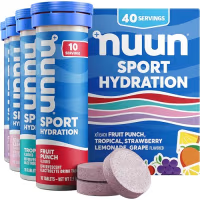
I’ve used Nuun’s electrolyte tablets for over five years. They make your water fizzy when they dissolve, which I find is more enjoyable to drink. The tablets have sodium, potassium, magnesium, calcium and chloride, plus they’re gluten-free and vegan. You can buy Nuun’s electrolyte tablets in flavors like strawberry lemonade (my favorite), watermelon and tri–berry. They’re also eligible to buy with a flexible spending account (FSA).
Liquid IV, which Goldsmith recommends, is one of the most well-known brands in the electrolyte powder space. It comes in over a dozen flavors like lemon lime, strawberry, concord grape and passion fruit, so you’ll likely find one you like. Each pack has 11 grams of sugar, which I find gives it a very sweet taste, so I tend to dilute it with a few more ounces of water than the brand recommends. Liquid IV’s sodium- and potassium-based electrolyte powder is vegan, dairy-free and gluten-free.
DripDrop’s electrolyte powder has a subtle flavor and I don’t find it to be overly sweet or salty, making it easy to drink.Courtesy Zoe Malin
DripDrop’s variety of flavors is similar to Liquid IV’s, but the formula has lower sodium and sugar concentrations. That gives it a less pronounced taste, so I find it ideal for those who’ve never tried an electrolyte powder before and are getting used to drinking it. The powder is made with sodium, potassium and magnesium, and its formula is gluten-free and vegan. You can buy flavors like fruit punch, orange, lemon-lime and berry.
This electrolyte powder’s formula has a 2:1 ratio of sodium to potassium, which Goldsmith aims for when choosing a well-balanced product for her clients. It’s also third-party tested and Informed Choice Certified for purity and safety. The powder is made with calcium and magnesium and is free from artificial sweeteners, artificial coloring, dyes and gluten. You can buy flavors like peach mango and tropical punch.
In addition to single-serve packets, Transparent Labs’ Hydrate electrolyte powder comes in a jar with a scooper. Make sure you level off the scoop before mixing with water, says Reavis. If you don’t, the electrolyte concentration may be slightly greater than what’s listed on the product’s nutrition label.
Because I find Liquid IV’s standard electrolyte powder very sweet, I prefer the brand’s sugar-free sodium- and potassium-based formula.
I find Liquid IV’s standard electrolyte powder very sweet, so I typically opt for one of the brand’s sugar-free flavors like white peach.Courtesy Zoe Malin
Instead of cane sugar or artificial sweeteners, it’s made with allulose, a natural sugar found in fruit like figs and raisins. My favorite flavors are lemon-lime and white peach, which taste especially refreshing in ice water. Liquid IV’s sugar-free, vegan, dairy-free and gluten-free electrolyte powder also comes in raspberry melon, green grape and rainbow sherbet flavors.
Gatorade’s electrolyte powder, which many experts recommend, has an ingredient profile that’s similar to its Gatorlyte sports drink.
Gatorade’s electrolyte powder is similar to the brand’s ready-made beverages, but it comes in single-serve packets that are easier to carry in a gym bag or travel with.Courtesy Zoe Malin
The powder is a great option if you like the taste of Gatorade but want the convenience of a single-serve packet you can throw in your gym bag. You can buy the powder, made with sodium, potassium, calcium, magnesium and chloride, in flavors like cherry lime, orange and watermelon.
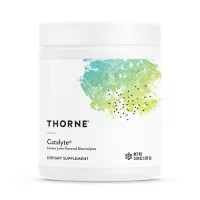
If you want a slightly sweet taste and fewer added carbohydrates than a sports drink, “Thorne Catalyte is a great option, and it’s also NSF Certified for Sport,” says Jones. “With 485 milligrams of sodium and five grams of carbohydrate, it’s perfect for active individuals.” Young also recommends this lemon-lime electrolyte powder, made with sodium, potassium, calcium, magnesium and chloride. Thorne Catalyte has no dairy, sugar, gluten or artificial flavors.
Since it has a moderate sodium concentration of 400 milligrams, Jones recommends Skratch Labs’ Hydration powder for those who have active careers, like construction workers, nurses, teachers and landscapers, and those who exercise for under an hour but tend to sweat a lot while doing so. The vegan powder is made with sodium, potassium, calcium and magnesium, and it’s gluten- and dairy-free. Skratch Labs’ electrolyte powder comes in flavors like pineapple, strawberry lemonade and orange.
“For those with very high sweat rates, I often suggest incorporating LMNT to aid in rehydration and maintaining energy levels during exercise,” says Jones.
LMNT’s electrolyte powder has 1,000 milligrams of sodium per serving, making it a great option for endurance athletes like marathoners and long-distance bikers.Courtesy Zoe Malin
LMNT’s vegan, gluten-free electrolyte powder has the highest sodium concentration out of all the options on this list at 1,000 milligrams, making it suitable for those engaged in prolonged intense physical activity, like marathon runners and long-distance bikers. Its formula has magnesium as well as sodium and potassium. You can buy the powder in flavors like citrus salt, watermelon salt, raspberry salt and mango chili salt.
You can buy Cure’s electrolyte powder in various flavors with FSA, HSA or HRA funds.Courtesy Zoe Malin
Electrolyte replacement products that help prevent dehydration and don’t contain added supplements are eligible for reimbursement with an FSA, a health savings account (HSA) or a health reimbursement arrangement (HRA). Very few brands currently qualify, but Cure is one of them. Its 240 milligrams of sodium is a low concentration, which makes it a great option for first-timers. Cure sent me flavors like berry pomegranate, watermelon, lemonade and strawberry kiwi to try, all of which tasted great and dissolved quickly when I stirred the powder into water.
I often crave an intensely flavored beverage during workouts, but I can’t always stomach something super sweet or salty before I exercise.
Moon Juice’s electrolyte powder is a scoopable formula, so you need to measure each serving using a teaspoon.Courtesy Zoe Malin
That’s when I use Moon Juice’s electrolyte powder, which the brand sent me to try. It helps me preload electrolytes before a long run or hot yoga class, but I barely taste the powder. Moon Juice’s Mini Dew electrolyte powder is sugar-free and made with sodium, potassium, calcium, magnesium and chloride. Moon Juice also offers a pomelo-flavored version.
You lose electrolytes while you’re sick if you’re vomiting or having diarrhea, says Mallipattu. In those cases, he recommends drinking Pedialyte, available in powders or as a pre-mixed liquid solution. It has a very simple formula mainly composed of sodium, potassium and chloride, which is similar to what you’d get through IV fluids at the hospital, he says. You can get Pedialyte powder in flavors like grape, fruit punch and cherry.
Since Pedialyte powder comes in pre-measured pouches, you can also pack them in your toiletry bag when traveling.Courtesy of Zoe Malin
The FDA sets Daily Value recommendations for amounts of certain nutrients you should not exceed each day, including electrolytes like sodium, potassium and calcium. However, these recommendations don’t account for how much of each mineral you lose and need to replace while doing physical activity, says Goldsmith. Use the FDA’s Daily Value recommendations as a guide while evaluating electrolyte powders’ nutrition labels, but talk to your doctor about what’s right for you, says Patruno.
Sodium is the most important mineral to prioritize when buying an electrolyte powder since you lose it at the highest rate while sweating, says Jones. However, how much sodium you need depends on your activity level, sweat rate and overall health status. Below, experts share their recommendations for sodium concentration in electrolyte powder, but consult your doctor to determine what’s best for you.
200 milligrams of sodium: Someone who engages in moderate physical activity for an hour or less, or works a job that requires them to be on their feet all day.
500 milligrams of sodium: Someone who engages in moderate to intense physical activity for over an hour, works a labor-intensive job and/or spends an extended period of time outdoors in the heat.
1,0000 milligrams of sodium: Someone who engages in prolonged intense physical activity, like marathoner runners, long-distance bikers and those playing team sports.
Over 1,000 milligrams of sodium: Don’t take an electrolyte powder with over 1,000 milligrams of sodium unless you’re directed to by a medical professional. For example, a nutritionist may recommend one of these highly concentrated powders for elite athletes competing in events like Ironman Triathlons, says Jones.
After sodium, pay attention to potassium since it’s the mineral you lose at the second highest rate through sweat, says Jones. Many electrolyte powders have a 2:1 ratio of sodium to potassium, like 500 milligrams of sodium to 250 milligrams of potassium, for example. High sodium intake with insufficient potassium can quickly increase blood pressure, but a balanced 2:1 ratio helps prevent that from happening as the electrolytes move through the cells, says Sedgley.
Some electrolyte powders contain additional minerals like calcium, chloride, magnesium and phosphorus. They’re less important from a hydration standpoint, so don’t worry about them unless your doctor advises you to, says Jones.
When you do over an hour of intense exercise like running or biking, your body uses sugar, a carbohydrate, as fuel for your muscles, says Goldsmith. Sugar also helps with fluid balance and masks the salty taste of electrolytes, she says. Because of this, many electrolyte powders have 10 to 20 grams of added sugar per serving. “In terms of athletic performance, we think of sugar in an electrolyte powder differently than added sugar in regular food,” says Goldsmith. “This amount of added sugar per serving could be considered excessive if you’re sedentary and eat a lot of foods with added sugars, but from an exercise perspective, it’s necessary for your muscles.” That said, it’s important to think about your daily sugar intake to properly assess your needs, so consult your doctor.
Sugar in electrolyte powder acts as fuel for your muscles, and it can help with fluid balance as well as help mask the salty taste of sodium.Courtesy Zoe Malin
Electrolyte powders are made with different types of sugar, including natural sugars like honey and agave, cane sugar and artificial sweeteners like stevia and xylitol. Each type of sugar has a different flavor and glycemic index, meaning how quickly it raises blood sugar levels after you eat it. The average healthy person doesn’t have to think much about the type of sugar in an electrolyte powder and can prioritize their taste preferences, says Young. But if you have a medical condition like diabetes and need to be careful about sugar consumption, consult your doctor about what’s best for your body. Young also says that artificial sweeteners tend to give some people an upset stomach, so consider avoiding them if you have a history of gastrointestinal issues.
There’s no perfect time to drink electrolyte powder. Every body is different, so figuring out what’s right for you involves some trial and error, as well as consulting your doctor.
Drinking electrolyte powder about two hours before physical activity ensures your body has an ample supply available, so when you start sweating and losing electrolytes, you don’t get depleted quickly, says Reavis. Preloading electrolytes is especially important if you’re doing physical activity outdoors in the heat for an extended period. High temperatures exacerbate sweating and, therefore, electrolyte loss, which puts you more at risk for quick depletion, says Reavis.
Drinking electrolyte powder during physical activity helps you constantly replenish your supply so you don’t hit a point where you’re running on empty, says Reavis.
Drinking electrolyte powder after physical activity can help build your supply back up after you’ve used everything available, says Reavis. However, your body needs electrolytes most when you’re actively sweating, so drinking them after physical activity isn’t typically the most beneficial, he says.
Overall, “hydration is a lot like pain management,” says Goldsmith, “Once you’re behind, it’s really hard to get ahead of it.” That said, ensure you’re drinking enough water daily, regardless of whether you’re adding electrolyte powder at some point.
Suppose you don’t engage in much physical activity during your day-to-day life and aren’t heavily sweating. In that case, you can likely get plenty of electrolytes from a healthy, balanced diet, says Reavis, so electrolyte powder is unnecessary. However, some people find that adding a small amount of flavored electrolyte powder to their water — like half a packet or less — encourages them to drink. So, as long as you consult your doctor and choose an electrolyte powder with a low amount of sodium (200 mg to 300 mg.), do what works for you, says Reavis.
Additionally, a few groups of people need to be extra cautious when it comes to using electrolyte powder, making it even more important to work closely with a doctor to find the right option:
Anybody with a cardiovascular condition. Consuming high sodium levels may lead to fluid retention, which can be dangerous for those with heart conditions that make it hard for the body to get rid of water, says Sedgley.
Anybody with a kidney condition that makes it hard for the body to get rid of excess electrolytes, says Sedgley. If you’re prone to kidney stones, pay close attention to how much vitamin C is in the powder you’re considering — in excess amounts, it can lead to kidney stone formation, says Mallipattu.
Children, who should not drink electrolyte powder unless they’re directed to by a doctor since most products are created for adults, says Sedgley.
An electrolyte imbalance occurs when there’s either too many or insufficient electrolytes in your body, says Sedgley. Some symptoms of an electrolyte imbalance overlap with those of dehydration, and you can experience both conditions simultaneously — overall, however, they’re different from one another. Dehydration has to do with water loss, while an electrolyte imbalance has to do with being deficient or abundant in certain minerals, says Mallipattu. (If you’re concerned about experiencing dehydration and/or an electrolyte imbalance, consult your doctor.)
An electrolyte imbalance can present differently depending on the minerals your body has too much or too little of, says Mallipattu. If you’re low or high in sodium, for example, you may experience symptoms like confusion or an unstable gait, he says. If you’re low in potassium, you may experience muscle weakness and cramps or, in more severe cases, heart arrhythmias (irregular heartbeat), says Mallipattu.
Hyponatremia, a condition that occurs when there’s not enough sodium in your blood, is one of the main types of electrolyte depletion Sedgley sees during marathons and similar physically demanding events. “If someone stopped at every water station on the course and they’ve drunk too much, plus they’re sweating out salt, they may have diluted the sodium in their blood,” he says, noting that symptoms of hyponatremia include muscle cramps, nausea, headaches, confusion and fatigue.
Beyond electrolyte powder, brands make electrolyte drops, chews, gels and pre-mixed drinks like Gatorade and Powerade. Each product offers its own set of benefits, but for the most part, they’re variations on the same theme, so choosing one is a matter of personal preference. However, keep in mind that electrolyte products can differ in their average mineral concentration, which impacts how much one serving can help boost your hydration levels.
“You can’t get as high of a concentration in one serving of an electrolyte drop or chew as you can get in a powder,” says Goldsmith. “That means you usually have to use more of those other products more often.”
Some people also use different electrolyte products depending on the situation. Chews or gels, for instance, are typically easier for runners to fit in their fanny packs and quickly take during a race. But those who play sports like baseball or soccer can keep a water bottle on the sidelines and mix in powders.
Yes, to some degree, drinking electrolyte powder can help with a hangover, says Mallipattu. “You often end up urinating a lot if you drink a lot of alcohol, so you lose water and some sodium,” he says. “Therefore the electrolytes do make a difference, but eating a salty meal may help as well.”
At NBC Select, we work with experts who have specialized knowledge and authority based on relevant training and/or experience. We also take steps to ensure that all expert advice and recommendations are made independently and with no undisclosed financial conflicts of interest.
Dr. Matthew Sedgley is a physician who specializes in sports medicine at MedStar Health.
Dr.Sandeep Mallipattu is chief of the division of nephrology and hypertension at Stony Brook Medicine.
Kelly Jones is a sports dietitian who works with professional and student athletes (MS, RD, CSSD).
Amy Goldsmith is a registered dietitian who specializes in sports nutrition and owns Kindred Nutrition & Kinetics (RD, LDN).
Michael Reavis Jr. is a clinical dietitian at the University of Maryland Medical Center (MS, RD, LDN).
Jay Patruno is a registered dietitian and certified personal trainer (MS, RDN, LDN, CPT, CNC).
Lisa Young is a registered nutritionist and an adjunct professor of nutrition at New York University (Ph.D, RDN).
I’m a reporter at NBC Select who writes about health and wellness, including articles on KN95 masks, sunburn treatments, at-home Covid tests and ingrown hair treatments. For this article, I interviewed seven doctors and nutritionists about how to shop for the best electrolyte powder. Experts recommended some of their favorite options, and I also included products I’ve tried.